Judgment of Paris - 1976
May 24, 1976 · Paris
The Judgment of Paris
The blind tasting that rewrote the map of fine wine
On May 24, 1976, a British wine merchant quietly gathered nine of France's most respected wine professionals in a Paris hotel and asked them to judge wines blind. No one expected what came next.
Steven Spurrier had brought California's finest alongside the benchmarks of Bordeaux and Burgundy — First Growths, Grand Crus, the most revered names in wine. The judges, all French, were never told which glass held which wine. Their scores alone would decide. When the results were tallied, California had won both categories outright — a result so unexpected that one judge reportedly tried to take her scorecard back.
"The tasting was organised as a compliment to the American wines. No one expected them to win."
— Steven Spurrier, organizerWhite Wine Rankings
| # | Wine & Producer | Vintage | Origin | Score |
|---|---|---|---|---|
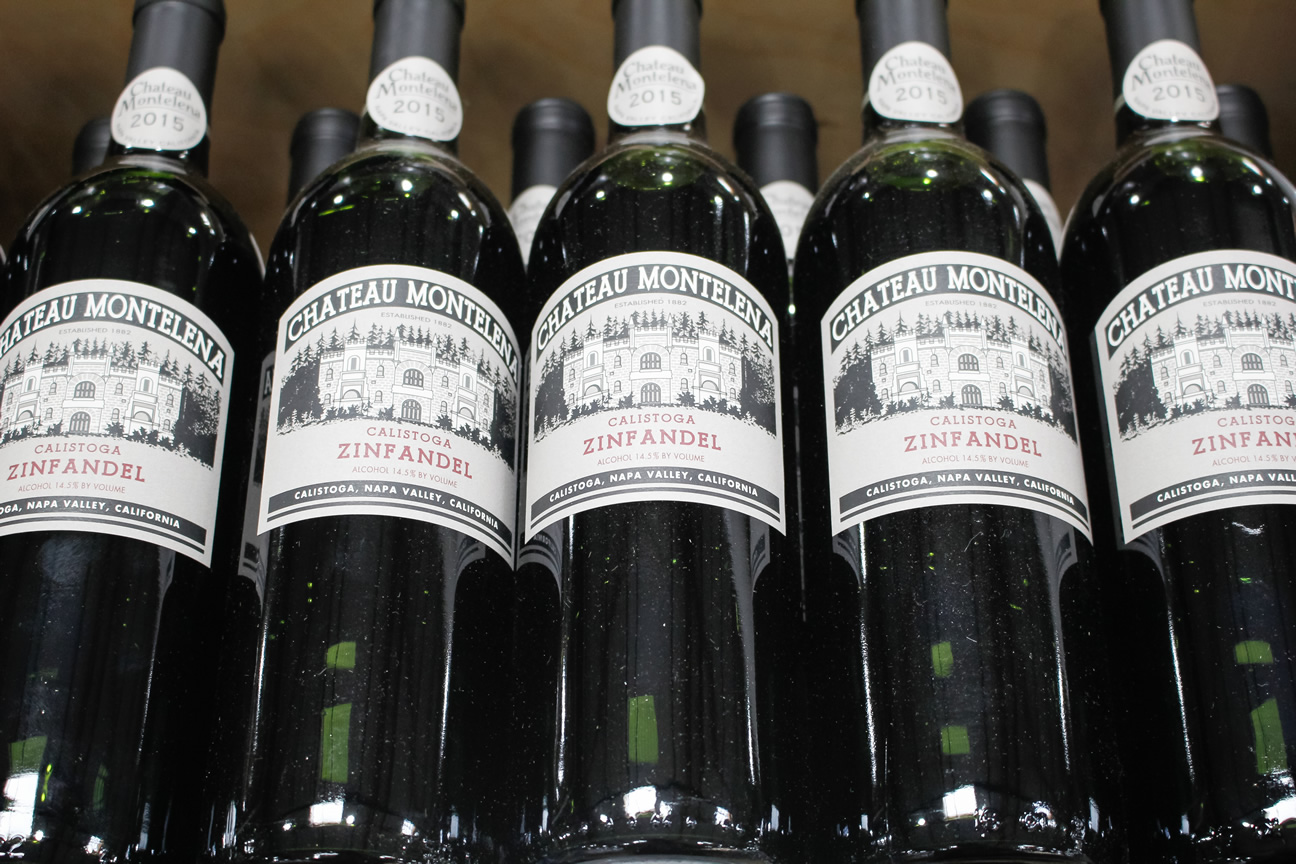
| 1 | Château Montelena Napa Valley — Chateau Montelena Winery |
1973 | USA | 132.0 |
| 2 | Meursault-Charmes Burgundy — Domaine Roulot |
1973 | France | 126.5 |
| 3 | Chalone Vineyard Monterey, California |
1974 | USA | 121.5 |
| 4 | Spring Mountain Vineyard Napa Valley, California |
1973 | USA | 120.0 |
| 5 | Beaune Clos des Mouches Burgundy — Joseph Drouhin |
1973 | France | 119.0 |
| 6 | Freemark Abbey Winery Napa Valley, California |
1972 | USA | 109.5 |
| 7 | Bâtard-Montrachet Burgundy — Ramonet-Prudhon |
1973 | France | 108.0 |
| 8 | Puligny-Montrachet Les Pucelles Burgundy — Domaine Leflaive |
1972 | France | 101.5 |
| 9 | Veedercrest Vineyards Napa Valley, California |
1972 | USA | 98.5 |
| 10 | David Bruce Winery Santa Cruz Mountains, California |
1973 | USA | 97.0 |
6 of 10 Chardonnays were Californian; California took 1st, 3rd, 4th, 6th, 9th and 10th place.
Red Wine Rankings
| # | Wine & Producer | Vintage | Origin | Score |
|---|---|---|---|---|
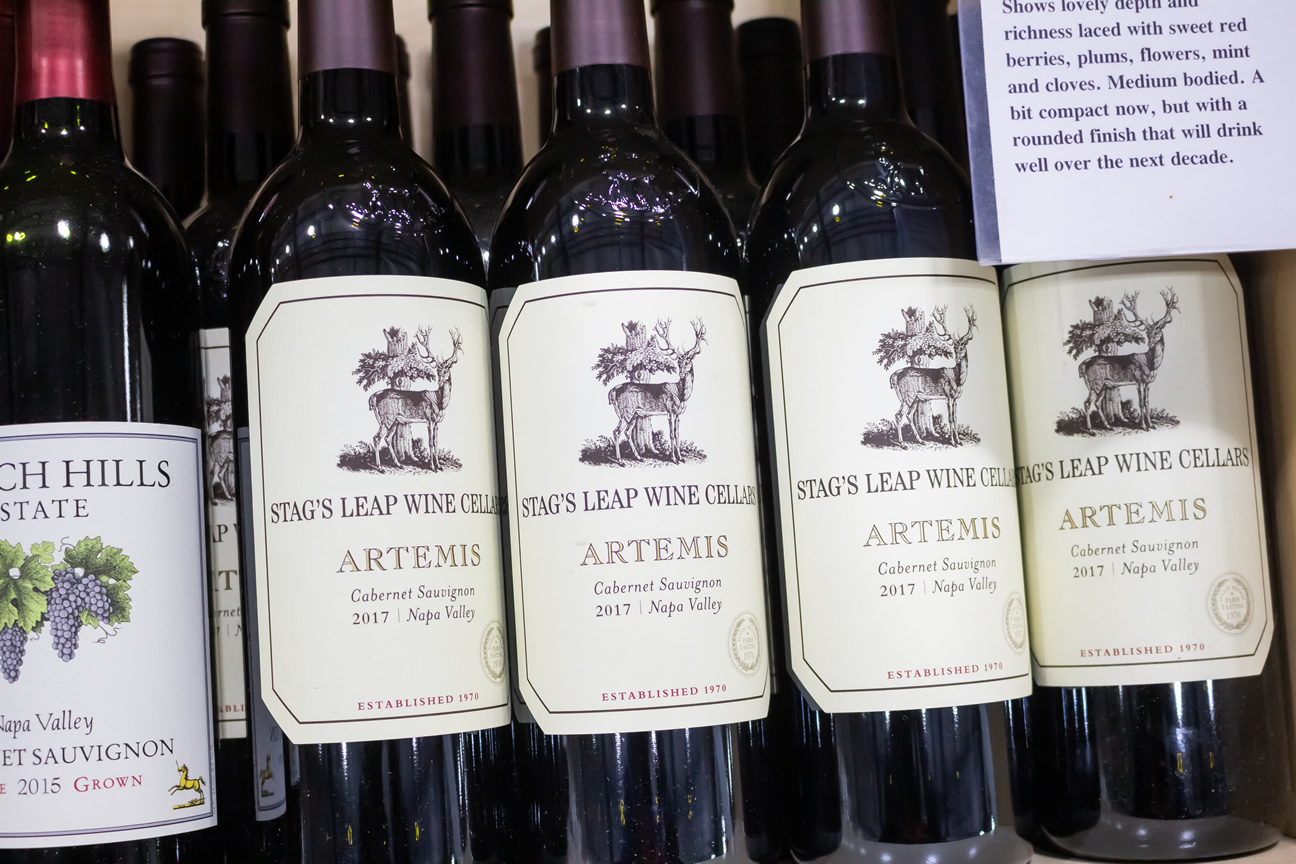
| 1 | Stag's Leap Wine Cellars S.L.V. Napa Valley — Warren Winiarski |
1973 | USA | 127.5 |
| 2 | Château Mouton Rothschild Pauillac — 1er Grand Cru Classé |
1970 | France | 126.0 |
| 3 | Château Haut-Brion Pessac-Léognan — 1er Grand Cru Classé |
1970 | France | 125.5 |
| 4 | Château Montrose Saint-Estèphe — 2ème Grand Cru Classé |
1970 | France | 122.0 |
| 5 | Ridge Monte Bello Santa Cruz Mountains — Ridge Vineyards |
1971 | USA | 105.5 |
| 6 | Château Léoville-Las-Cases Saint-Julien — 2ème Grand Cru Classé |
1971 | France | 103.5 |
| 7 | Heitz Cellars Martha's Vineyard Napa Valley — Heitz Wine Cellars |
1970 | USA | 100.0 |
| 8 | Clos du Val Napa Valley — Bernard Portet |
1972 | USA | 98.5 |
| 9 | Mayacamas Vineyards Napa Valley, California |
1971 | USA | 89.5 |
| 10 | Freemark Abbey Winery Napa Valley, California |
1969 | USA | 78.0 |
6 of 10 Cabernets were Californian; France swept 2nd, 3rd, 4th and 6th with its finest châteaux.
Why it mattered
The scores were aggregated from each judge's personal 20-point assessments. France retained tremendous pride — four of the top six reds were French — but finishing second in both categories, behind unknowns from Napa Valley, shook the establishment. The concept that terroir was an exclusively European privilege died in that Paris hotel room.
George Taber, then writing for Time Magazine, was the only journalist present. His resulting article brought the story to a global audience. The French press largely ignored it; the American wine trade never forgot it.
Spurrier organized a second tasting. Château Montelena and Stag's Leap largely confirmed their dominance. The result was not a fluke.
A commemorative tasting using the original wines. Ridge Monte Bello 1971 topped the reds — age had been kinder to California's structure.
Napa Valley is now one of the world's most coveted wine addresses. The Judgment opened the door for every New World region that followed.